







Search Results for: Southern Italian

A Complete Guide to Italian Coffee Roast Styles: Southern, Central, and Northern Italian, and How to Choose Blends
In crafting an outstanding espresso, the choice of roast level and the blending approach are often the key factors that determine the flavor direction. Coffee beans from different origins can only reveal their best characteristics at their respective ideal roasting points, and the roaster needs to find a balance among them. This article will guide you through the logic of espresso bean blending, introduce the basic differences among the three roasting styles of Southern Italian, Central Italian, and Northern Italian, and, in combination with several classic blend products under the Front Street Coffee brand, explain how to select suitable espresso beans according to taste preferences and production needs. Whether you are a home coffee enthusiast or the owner of a community coffee shop, you can gain practical reference ideas from it. [more…]
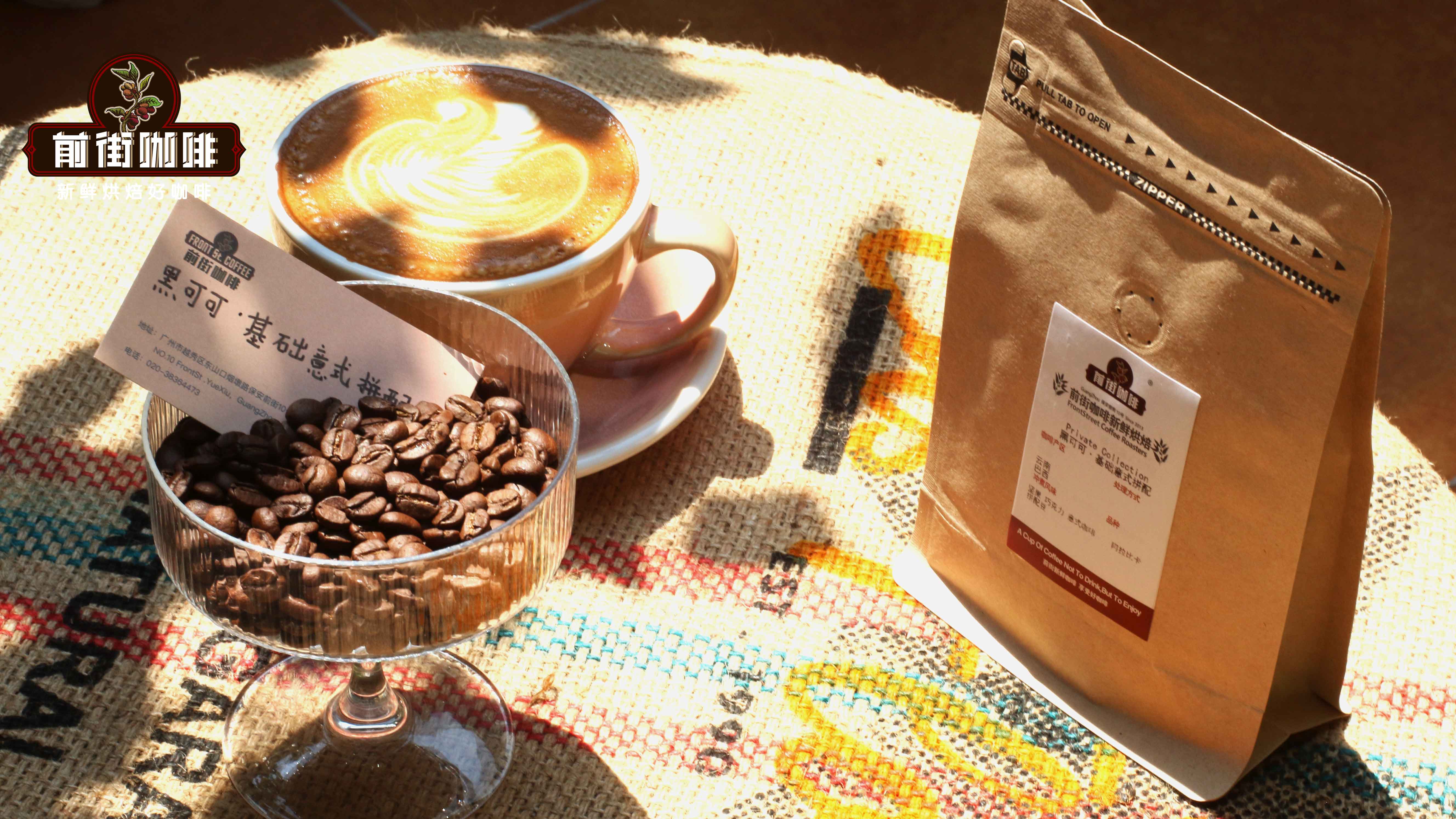
Espresso Blend Roasting Profiles Explained: Northern, Central, and Southern Italian Style Differences and a Home & Commercial Bean Selection Guide
To make a satisfying Espresso, relying on single-origin coffee beans alone is often difficult to achieve; the control of blending and roast level is the core. Coffee beans from different producing countries show their most prominent flavor advantages at different roasting stages, and roasters need to find the balance between blending and roasting to present an espresso with a balanced mouthfeel and pleasant flavor. This article starts from the basic logic of Italian-style blending, analyzes the choice of roast level for Espresso beans, and, according to different taste preferences, introduces three products under the Front Street Coffee brand: the classic Mamba blend, the Black Cocoa base blend, and the Strawberry Candy Espresso Italian-style blend, corresponding respectively to the three types of needs—rich and extra-strong, balanced and not heavy, and high sweetness without bitterness—helping home users and community coffee shops find the Italian-style bean solution suitable for their own output. [more…]
Arabica vs. Robusta: A Comprehensive Comparison of Flavor Differences, Pros and Cons, and Key Roles in Espresso Blends
When we pick up a cup of coffee, have we ever wondered where the flavors in the cup actually come from? Among global coffee production, the two major species, Arabica and Robusta, account for the vast majority of the share, and they differ significantly in appearance, flavor, growing conditions, and uses. Arabica is known for its delicate aroma and rich layers, while Robusta holds a place in blending and instant coffee with its full-bodied taste and high caffeine content. This article will provide an in-depth analysis of the essential differences between the two, explore the pros and cons of Robusta and the truth behind the so-called "harm," and reveal its key role in the northern and southern Italian blending schools. At the same time, two classic blend products from Front Street Coffee will also serve as cases to show how Robusta and Arabica complement each other to create a rich, full-bodied Espresso. [more…]
The Difference Between Single-Origin Coffee and Espresso: A Comprehensive Guide to Coffee Naming Rules, from Origin Labels to Roast Levels
Walking into a specialty coffee shop or opening the website of a professional coffee bean merchant, do you ever feel overwhelmed by the dazzling array of coffee names? Why are coffee bean names so long? How exactly do you tell the difference between single-origin, dark roast, and espresso? What information is actually hidden behind these complex names? This article will walk you through the key elements of coffee bean naming one by one, including origin labeling, roast level, grading systems, and small-lot estate farms. From the solo performance of single-origin coffee to the concerto of coffee blends, from Northern Italian light roast to French dark roast, and on to grading codes like SHB and AA+, you'll never be confused again the next time you shop for coffee—you'll easily read the ID card of every bag of coffee beans. [more…]
A Beginner's Guide to Coffee Latte Art: A Complete Guide to Choosing Equipment and Tools from Espresso Machines to Latte Art Pitchers
Wanting to learn latte art, passion alone is not enough—choosing the right equipment and tools is the first step. This article is aimed at beginner baristas and systematically sorts out the various basic equipment needed to get started with latte art: from the differences and selection points of the four boiler systems in professional Italian espresso machines (single boiler, heat exchanger, dual boiler, multi-boiler), to the classification of steam wands and steam tip types, then to grinder burr types, tamper shape matching, latte art pitcher spout shapes and groove designs, as well as the logic for choosing materials such as espresso beans and milk. It also analyzes the influence of cup shape on latte art results and gives the key parameters for adjusting machine settings, helping beginners avoid detours and laying a solid hardware foundation for subsequent latte art practice. [more…]

How to make the best-tasting espresso with almond milk? What coffee beans and parameters should you choose for a classic espresso?
In the scorching summer heat, it's hard to do without iced coffee, but this time Front Street Coffee wants to talk about a relatively niche Italian iced coffee—Caffè Leccese. It comes from Lecce in the Puglia region of Italy, a southern city known as the "Florence of the Baroque," which infuses this cup of coffee with the unique flavor of almond milk syrup. Unlike most Italians who prefer hot coffee, Caffè Leccese is one of the few recognized iced coffees locally, belonging to the "special exceptions" alongside Caffè Shakerato. The article will introduce its origin and flavor characteristics, and share a specific recipe: 10ml almond milk syrup, 60g ice cubes, 40ml espresso extracted from 20g grounds, along with a recommendation to use medium-dark roasted espresso blend beans, especially Front Street Coffee's classic blend containing 10% Robusta, and will also extend to the method for making almond-flavored latte and points to note. [more…]
The Rise of Vietnam's Coffee Industry: A Look at Growing Regions, Bean Characteristics, and Classic Italian-Style Blends
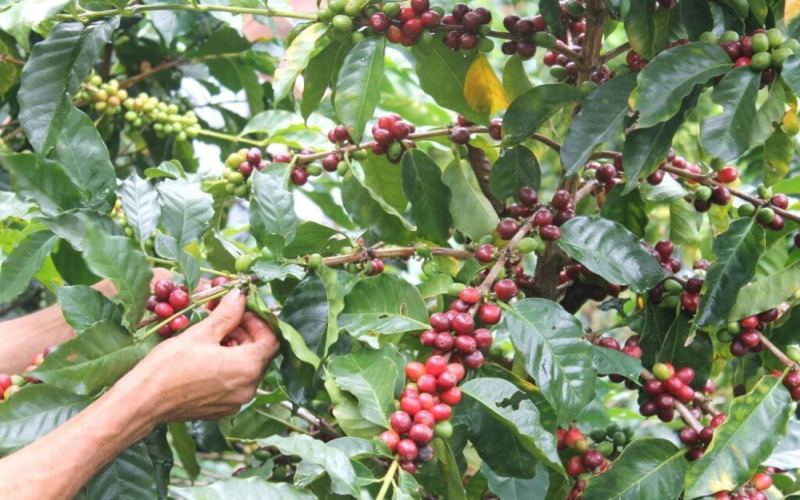
Vietnam is the world's second-largest coffee producer. Its coffee industry, introduced during the French colonial period, has gone through a tortuous history of wartime interruption, reform and opening up, a surge in production, and price collapses. This article systematically reviews the development of Vietnamese coffee, explains in detail the altitude, bean varieties, and harvesting characteristics of the three major producing regions—the Central Highlands, southern Vietnam, and northern Vietnam—and analyzes the reasons behind Vietnam's quality, which is dominated by Robusta. At the same time, Front Street Coffee's classic espresso blend also uses Vietnamese Robusta beans, which together with Indonesian Mandheling and Brazilian Cerrado present rich chocolate and nutty flavors. [more…]
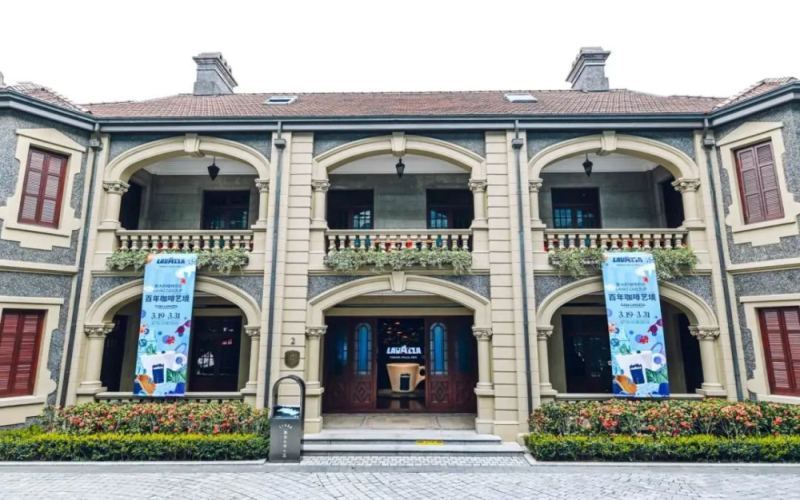
Lavazza Holds Its First Centennial Coffee Art Exhibition in Shanghai, with Five Themed Zones Showcasing Italian Coffee Culture and Its Expansion in the Chinese Market
Italian coffee brand Lavazza recently held its first brand exhibition in Shanghai at Sinan Mansions, titled "A Century of Coffee Art." The exhibition features five distinctive zones, ranging from classic coffee cup art installations to a simulated space station, from antique coffee machines to an artistic photography exhibition, and from coffee blending experiences to an immersive Italian street scene, comprehensively showcasing the cultural heritage and innovative spirit of this 128-year-old Italian coffee brand. The exhibition is free and open to the public, and the first 200 visitors each day can enjoy coffee for just 0.1 yuan. Meanwhile, Lavazza's development in the Chinese market has drawn considerable attention, evolving from its early lukewarm reception to rapid expansion following its partnership with Yum China, with its "thousand-store plan" steadily advancing. [more…]
What coffee is Starbucks Flat White? The difference between Australian White and Latte and an analysis of ristretto
Flat White, this Italian-style milk coffee originating from the Southern Hemisphere, is now ubiquitous on cafe menus around the world, with Chinese translations including 澳白, 馥芮白, and 小白咖啡. Many people think it is just a scaled-down latte, but in fact the two have obvious differences in espresso type, milk ratio, and milk foam thickness. Flat White uses Ristretto, with a smaller coffee-to-water ratio and higher concentration, and the milk pouring method is also more particular. This article will start with the extraction differences between Espresso and Ristretto, analyze the essential differences between Flat White and Latte, and share Front Street Coffee's specific parameters for making Flat White and its blend bean selection, to help you fully understand the uniqueness of this coffee. [more…]
A Complete Guide to Espresso: From Boiler Systems to Milk Frothing and Latte Art — Professional Fundamentals
Want to systematically master the underlying logic of espresso? This article provides a complete overview of the core knowledge system of espresso, from equipment principles to practical details. It first deeply analyzes the differences between four types of boiler heating systems and their impact on extraction stability, then explains one by one the selection of steam wands, the structure of grinder burrs, the matching principles of tampers, and key points for choosing latte art pitchers. In the materials section, it focuses on comparing the roasting differences between Northern and Southern Italian-style coffee beans and the logic for selecting suitable milk. Finally, it focuses on the five major variables of extraction and the six factors of milk frothing, and explains in detail the techniques for integrating coffee and milk foam. The full text balances theoretical depth with operational guidance, making it suitable for coffee enthusiasts who want to solidify their foundations to read carefully. [more…]
What Is Caffè Corretto? A Full Analysis from the Origins of Espresso with Spirits to Drinking Methods Around the World
Caffè Corretto is a traditional Italian drink that is extremely common in Italy itself but rarely seen outside the country. Its unique feature is that freshly brewed espresso is served alongside a small glass of liquor, allowing guests to blend it to their own preference. Behind this drinking method lies the historical origin of the coffee price surge in 1930s Italy, and different regions also have their own particularities in the choice of liquor and the timing of consumption. This article begins with Front Street's discovery while revisiting James Hoffmann's book, sorting out the origin of the name Caffè Corretto, its historical background, the drinking habits of various regions in northern and southern Italy, and also includes Front Street's low-budget recreation experience, to introduce you to this obscure yet authentic Italian specialty coffee. [more…]
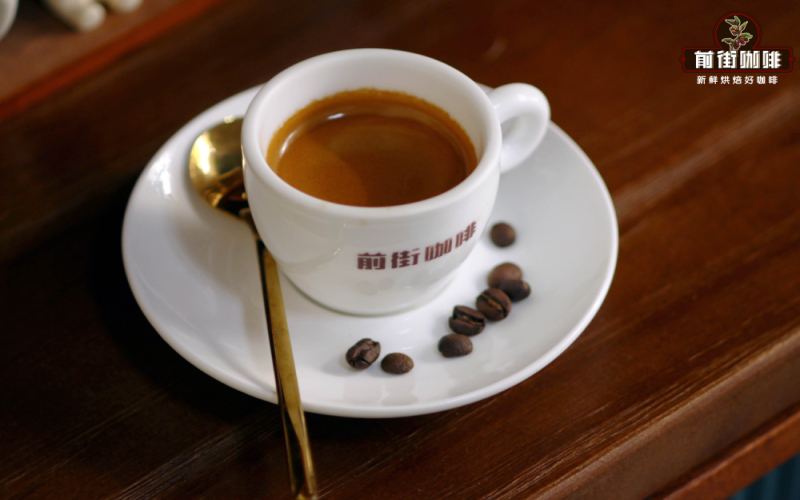
Espresso Tasting Guide: From Sensory Characteristics to the Correct Way to Drink It Based on Extraction Parameters
Espresso was born in Italy around 1946 and subsequently became popular in Southern European countries for a long time, only spreading globally through Starbucks around 1986. This dark coffee, with a capacity of only about 50 milliliters, is covered with a fine, bright reddish-brown foam on its surface, concentrating the aroma, taste, and visual beauty of coffee. This article will systematically review the sensory characteristics of Espresso—including the visual crema, the body in the mouthfeel, the balance of sourness, sweetness, and bitterness in taste, and the lasting aftertaste—analyze the manifestations of under-extraction and over-extraction in the foam, and provide SCA-standard parameters for dose, yield, time, pressure, and water temperature, while introducing Front Street Coffee's four Italian blend beans and their brewing suggestions. [more…]
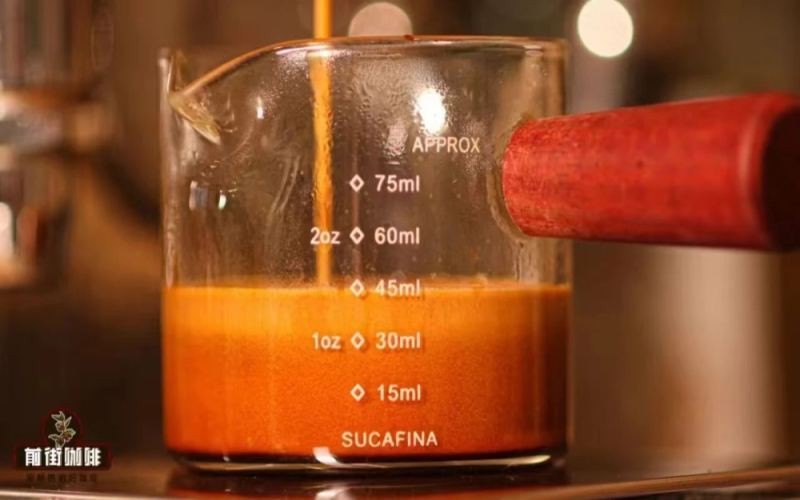
When Lemon Meets Espresso: The Origins of Espresso Romano and a Hands-On Test of Two Home Recipes
Espresso with lemon—a combination that may sound unfamiliar, yet it has actually been circulating in southern Italy for over half a century, where locals call it caffè canarino or caffè al limone, written in English as Espresso Romano. Its origins are closely tied to the historical context of post-World War II Italy, when coffee beans were scarce and dark-roasted beans were bitterly charred and hard to swallow, while the lemon-rich southern regions happened to provide a natural ingredient to temper the bitterness. In addition to tracing this history, this article will also put two beans—Sunflower Warm Sun Blend and Brazil Queen's Estate—to the test, using espresso and moka pot methods respectively to brew this drink, recording how sweetness, acidity, and bitterness contend when lemon meets coffee, and exploring the embellishing role of lemon juice in contemporary coffee creation. [more…]
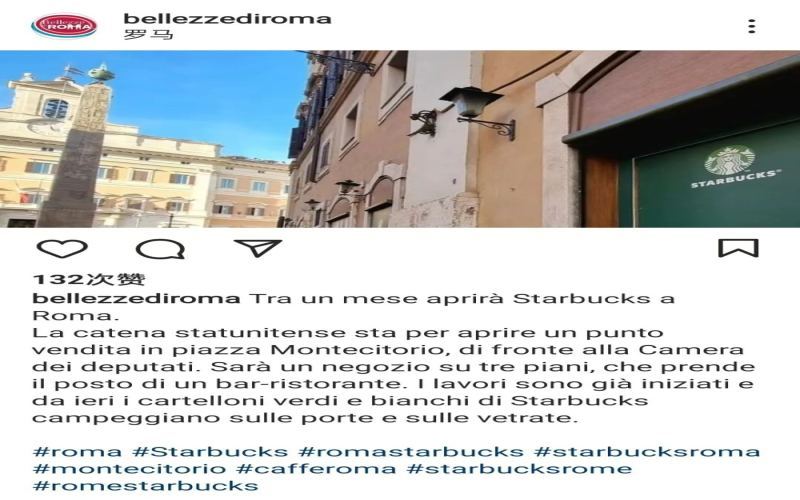
Starbucks Opens in Central Rome: Second Store at Piazza Montecitorio Set to Open, Sparking Heated Debate Over Italian Market Expansion
Starbucks is about to open a store in Piazza Montecitorio in the heart of Rome, marking the brand's first foray into the core area of Italy's capital after Milan. Since entering the Italian market in 2018, Starbucks has been gradually penetrating major cities, aided by the high-profile debut of its Milan Roastery. However, in Italy—a traditional coffee powerhouse where annual per capita consumption of coffee beans is 5.8 kilograms and the average price of an espresso is just 1 euro—Starbucks's high pricing stands in sharp contrast to local consumption habits, drawing questions from consumer associations and politicians. This article reviews the history of Starbucks's store openings in Rome and its market strategy, and explores the opportunities and challenges it faces in Italy's saturated coffee market. [more…]

Heavy Rain in Southern Brazil Impacts Coffee Regions, Local Production May Drop by Up to 30%
Central and southern Brazil recently experienced heavy rainfall, with southern Mato Grosso and São Paulo state severely affected, impacting both transportation and power supply. Meanwhile, rainfall in Minas Gerais remains below the historical average, and the worst drought and wildfires in nearly 70 years have already caused deep damage to coffee cultivation. Although concentrated flowering occurred in October, whether the flowers will develop into fruit remains to be seen in December. Multiple institutions expect coffee production in the most severely affected areas to decline by 20% to 30%, with the potential of both the 2024/25 and 2025/26 crop years affected. [more…]
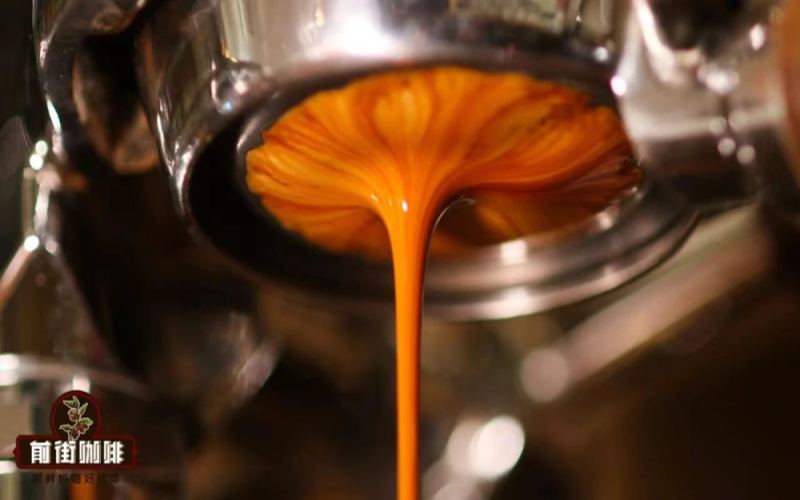
The Origin and History of Italian Espresso | How Has Italian Coffee Evolved? How Can Coffee Novices Choose Espresso Blend Coffee Beans for Home Use?
For more specialty coffee knowledge, please follow the WeChat public account: FrontStreet Coffee. Just like the passionate Italians, Italian coffee is world-famous for its rich and mellow flavor. Espresso is the most representative Italian coffee. The United States [more…]

What Is Americano? A Full Breakdown of Its Difference from Espresso, Authentic Preparation, and Flavor Profile
Americano is one of the most widely known types of black coffee, but what exactly is the difference between it and espresso? From the perspective of Front Street, this article sorts out the origin stories of Americano, the definitional relationship between espresso and Americano, the differences in strength, and the preparation methods and flavor expression of authentic Americano. The article also introduces the specific parameters and taste characteristics of Front Street Coffee's Italian-style specialty blend coffee beans when making espresso and Americano, helping coffee lovers more clearly understand the logic behind this everyday cup of black coffee. [more…]
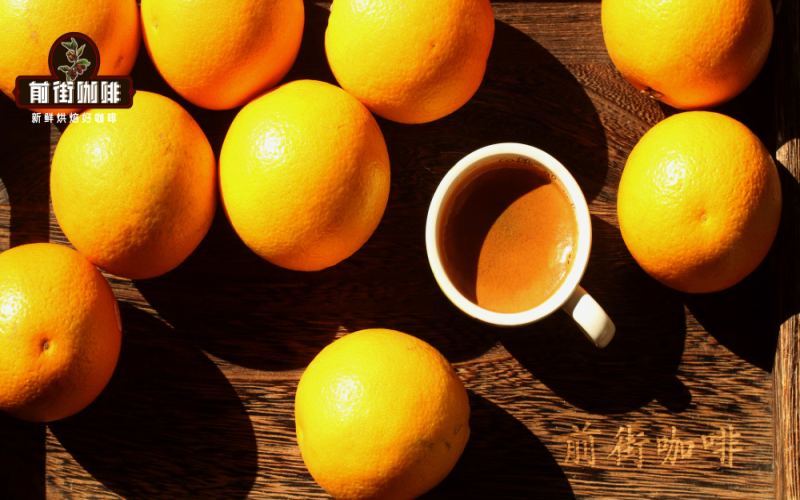
Italian Classic Lemon Coffee: A Detailed Guide to the Recipe and Making of Roman Espresso
The fresh acidity of lemon is often used to describe coffee flavors, but have you ever thought about actually adding lemon to espresso? In Italy, there is such an espresso that genuinely incorporates lemon juice—Espresso Romano. It was born out of the wisdom of people during economically difficult times, who used sourness and sweetness to neutralize the bitterness of dark-roasted, low-quality beans. This article will guide you through the origins of this beverage, the ingredients needed, and the specific preparation steps, and share how Front Street Coffee's Warm Sun Blend performs in it, so you can easily recreate this sweet-and-sour Italian classic at home. [more…]

The Origin and Ratio of Flat White Explained: What Exactly Is the Difference Between a Flat White, a Fu Rui Bai, and a Latte?
Also espresso plus milk, but why does the Flat White stand on its own as a distinct style? Its birth actually hides a history of immigrants and local tastes rubbing against each other. From Italian coffee shops taking root in Australia after World War II, to Australians finding lattes too thick in milk foam and too weak in coffee flavor, the Flat White was born in response. It uses thinner microfoam, less milk, and even switches to a double ristretto as the base, letting the coffee flavor take center stage. This article sorts out the origins of the Flat White, how it differs from the latte and the fùruìbái, and the common 1:5 preparation ratio, helping you understand the ins and outs of this milk coffee in one go. [more…]
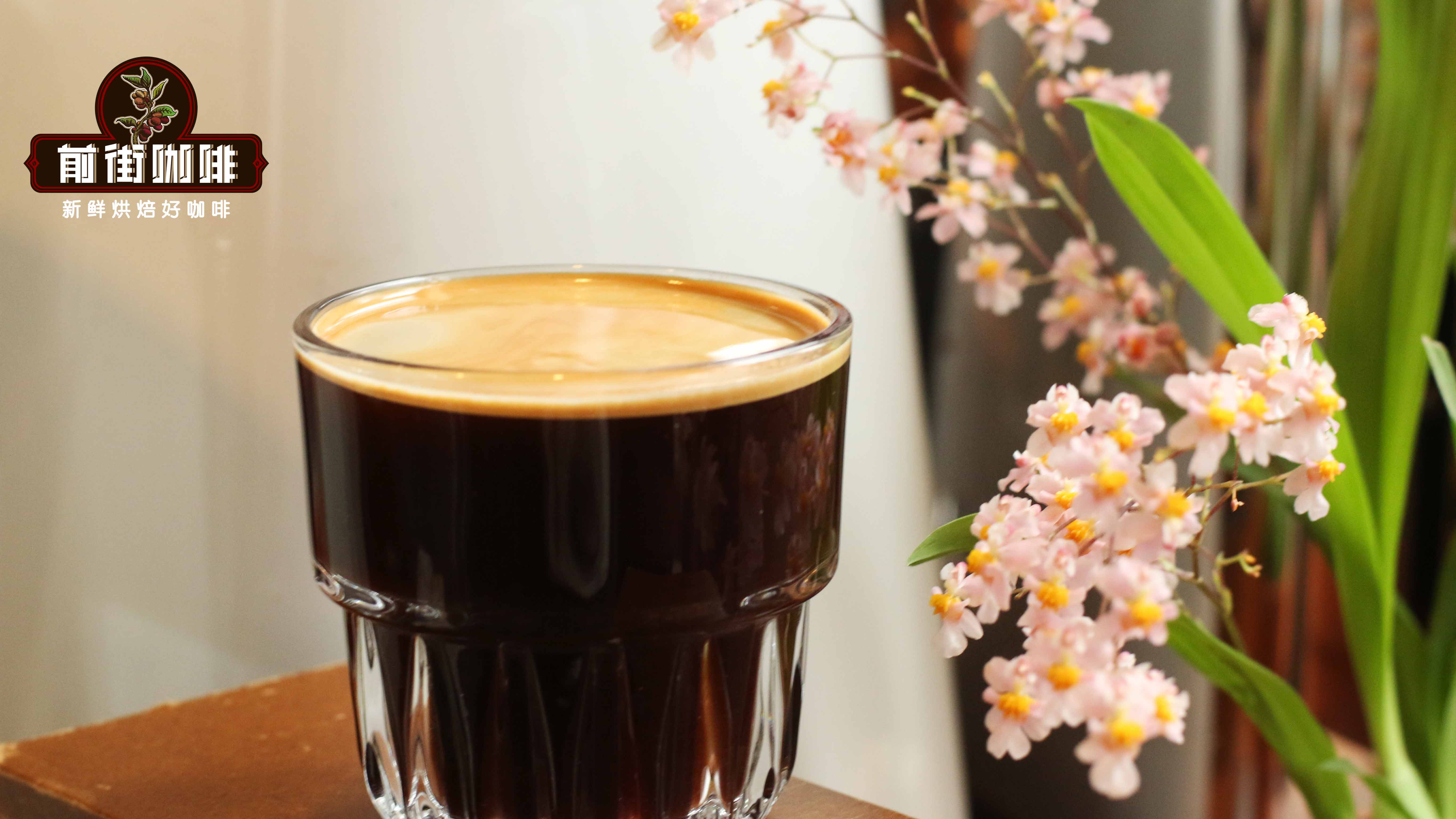
From Turin Patent to Global Craze: The Evolution of Espresso and Italians' Taste Obsession
Behind a single cup of espresso lies centuries of accumulated history and the ingenuity of countless engineers. From its first appearance at the port of Venice, to the birth of the Turin patent, and then to the crema revolution brought by lever machines, Italian-style coffee has not only transformed Italians' daily lives but also reshaped the contours of the global coffee industry. Why are Italians so devoted to this small, intensely bitter drink? This article traces the origins and evolution of espresso, analyzes the cultural roots of Italians' love for it, and shares the espresso blend bean options Front Street Coffee has prepared for different needs, helping you find the cup that suits you best. [more…]